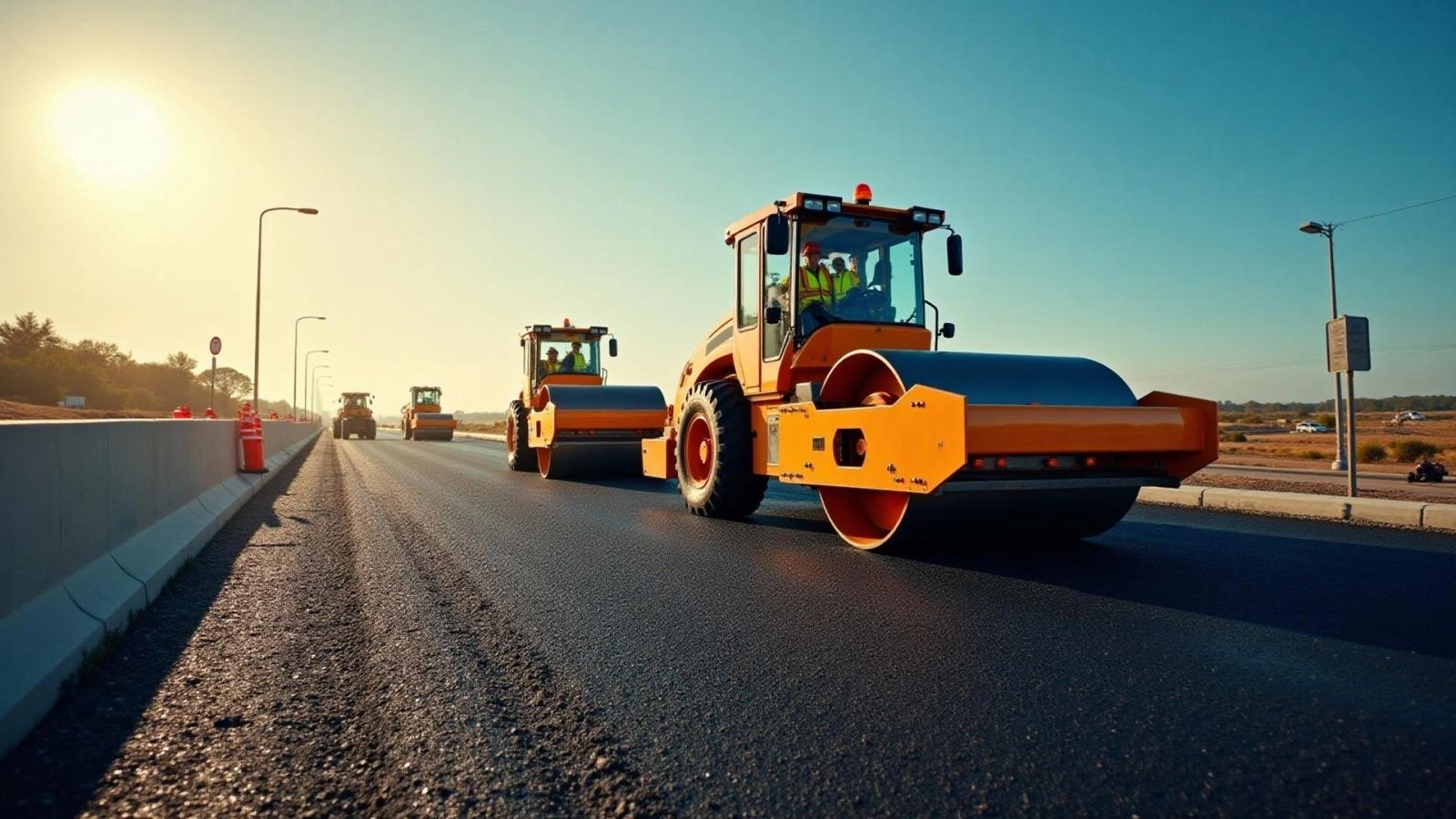
Road Construction Service
Full road builds to DOTD-grade standards, from earthwork to final paving.
Learn MoreTake a crack about as wide as a pencil. That little opening can dump gallons of rainwater right down into the base under your asphalt, and nobody ever watches it happen. You just notice the mess two…
Take a crack about as wide as a pencil. That little opening can dump gallons of rainwater right down into the base under your asphalt, and nobody ever watches it happen. You just notice the mess two summers later.
Rain here runs past 60 inches a year. Water finds those open cracks, works into the clay subgrade underneath, softens it up, and what started as a hairline gap turns into a pothole you have to cone off. Hot pour rubberized crack sealing in Baton Rouge breaks that cycle. Because the sealant flexes when the pavement moves, it stays put through Gulf heat and the cool snaps that follow.
Gulfline Paving builds private work to Louisiana DOTD grade standards, and we keep pavement up for national names like FedEx, Academy Sports and Regions Bank. Free written estimate, nothing owed either way. Call or text (225) 464-5378.
South Louisiana chews up asphalt. Between the downpours, the heat, hurricane season and clay that puffs up wet then shrinks back dry, one square of pavement takes a beating from four directions at once. Cracks are the door all of that walks through.
Once moisture gets below the surface, things go downhill quick:
Older lots around Mid City and the Garden District show this off constantly. Same story on the busy properties along the Airline Hwy corridor, where loaded delivery trucks swing the exact same radius a hundred times a day.
Call (225) 464-5378Prefer to talk? Call (225) 464-5378 (LA) or (601) 769-8687 (MS). Mon–Sat, 8 AM–6 PM.
Prep is most of the job. Pouring material into a crack is easy enough for anyone with a melter. Getting it to bond and stay bonded is where the sequence matters. Ready to get water out of your pavement? Call or text (225) 464-5378 for your free written estimate in Baton Rouge.
Step 1. Inspect and measure. Walking the lot or roadway comes first. Cracks get mapped, and we note anywhere water sits or runs the wrong direction. Drainage trouble gets flagged before a number goes on paper.
Step 2. Rout the crack. If the crack is wide enough to warrant it, a routing wheel cuts a clean reservoir. That gives the sealant real depth to grab instead of just riding on the surface.
Step 3. Clean and dry. Compressed air or a heat lance clears out dirt, sand, grass and any leftover moisture. Sealant will not stick to a damp or dirty crack. That single shortcut is why most cheap jobs peel out.
Step 4. Apply hot pour sealant. Rubberized material comes up to spec temperature in the melter, then goes down flush or with a slight overband depending on the crack width and how much traffic rolls over it.
Step 5. Cure and open. Most sealed areas take traffic inside 30 to 60 minutes once things set. A dusting of sand speeds that along when you need the lane back sooner.
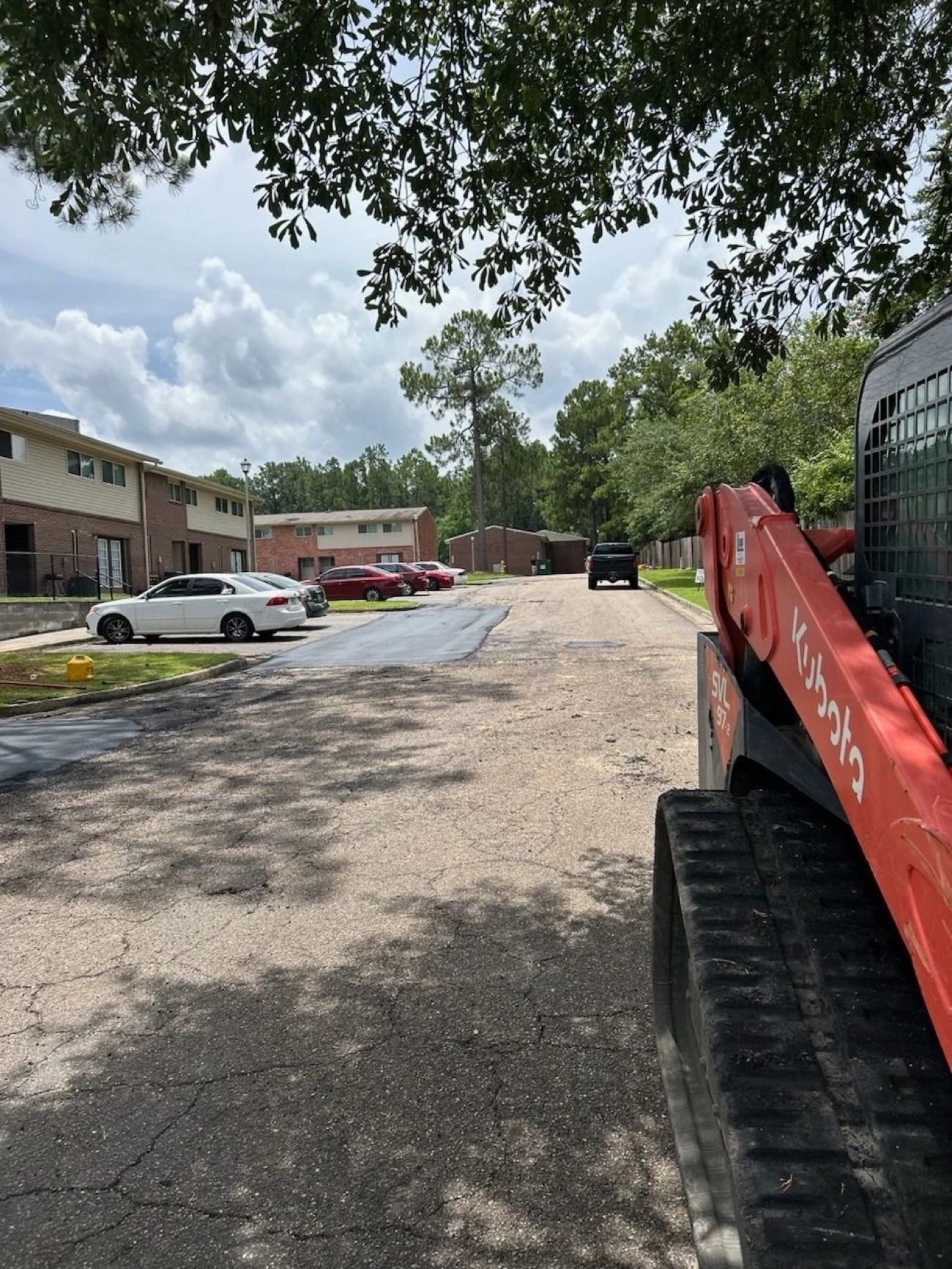
Sealing is not always the right call. When pavement needs something bigger, you will hear it from us straight, because sealing a section that has already failed is just burning money.
| What You Have | What It Usually Needs |
|---|---|
| Single line cracks under half an inch | Hot pour crack sealing |
| Cracks over one inch wide | Rout, seal or a mastic patch |
| Alligator cracking in a defined area | Full depth patch, then seal the edges |
| Open holes and broken edges | Pothole repair before any sealing |
| Widespread cracking across the whole lot | Mill and overlay |
Cracks first, sealcoat second. That order is not negotiable. Once the cracks are closed up and cured, our sealcoating and chip sealing services shield the surface from UV and fuel drips.
Sealant cannot bridge a hole. When a crack has already opened up, the crew saw cuts it, pulls the failed material, compacts the base back down and patches it. Joints around that fresh patch get sealed afterward.
Subdivision streets, private drives, industrial access roads. All of them do better on a schedule than on emergency phone calls at 6 AM. Our road contractor team keeps up routine street maintenance throughout the Capital Region.
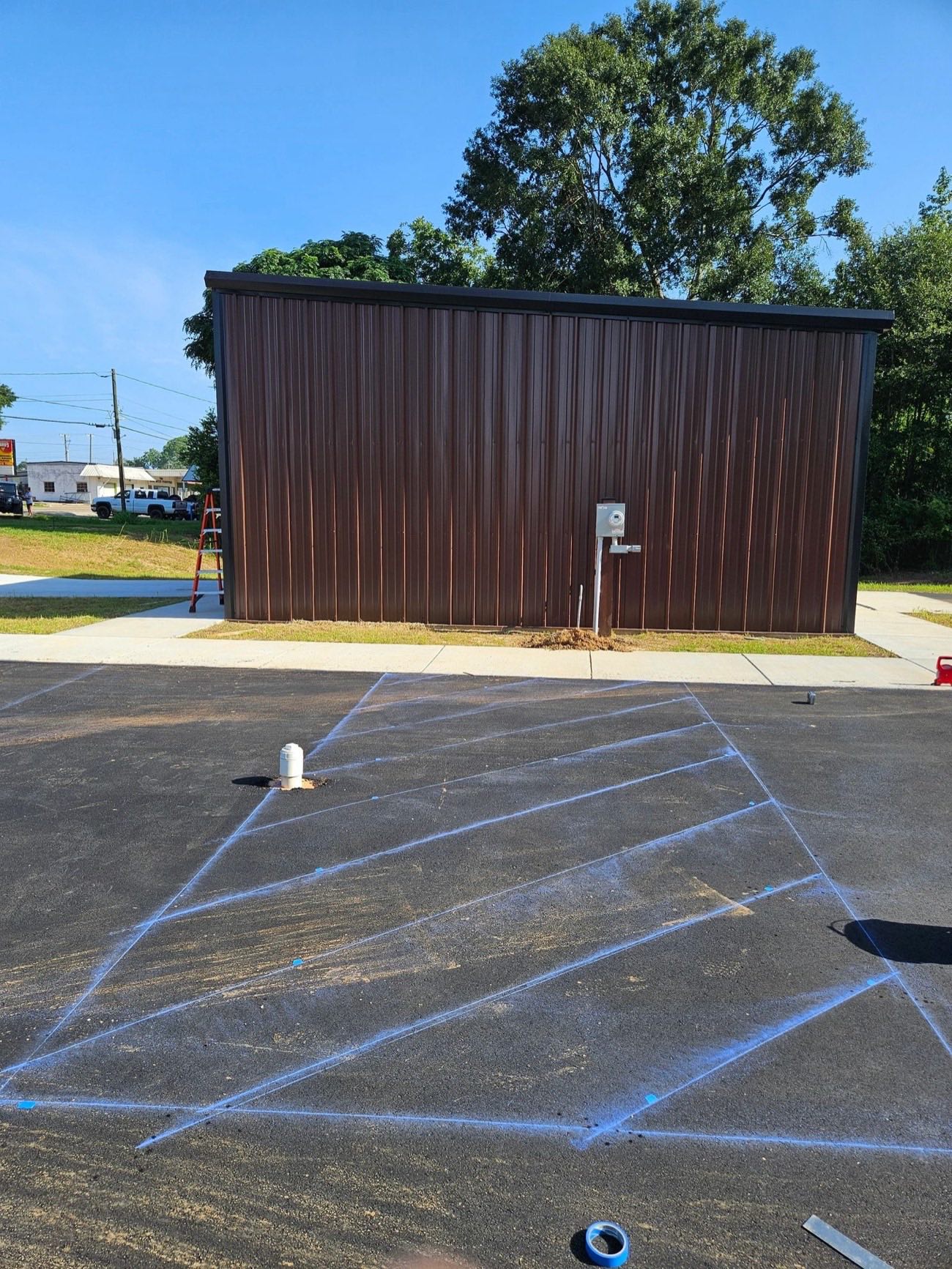
Late summer into early fall is the window down here. Pavement is warm, cracks sit at their widest, and hot material seats deep instead of skimming. Sealing just ahead of the heaviest rain months buys you the most protection for what you spend.
Phased night and weekend work is on the table too, so retail lots, distribution yards and bank branches keep running during business hours. Cones travel with the crew, one section at a time, and the rest of the property stays open.
Crews run out of 11997 Airline Hwy, covering the Capital Region:
Still have a question about your driveway, lot, or sitework? Call the Louisiana office and talk to someone who actually runs the jobs.
Full road builds to DOTD-grade standards, from earthwork to final paving.
Learn More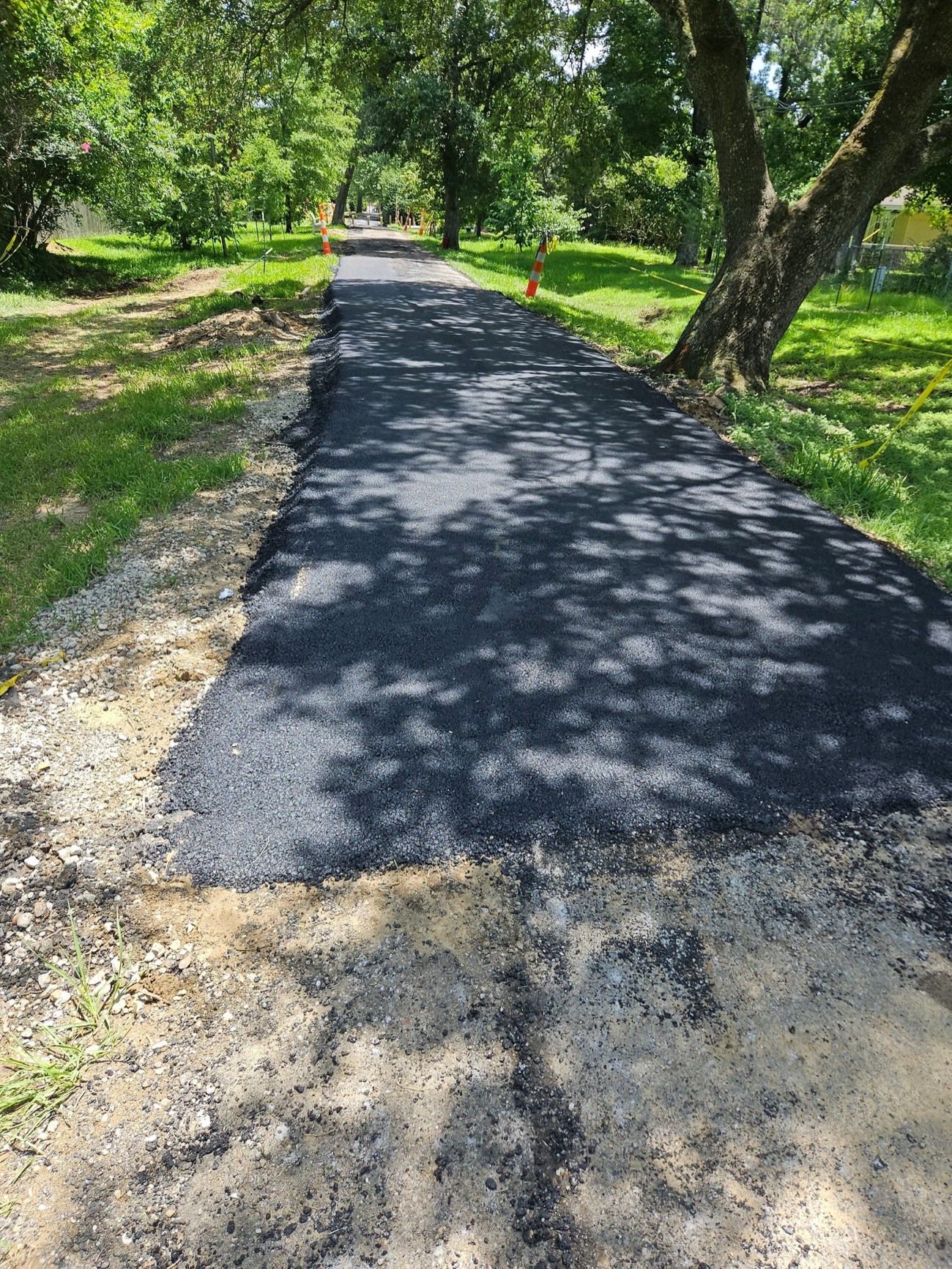
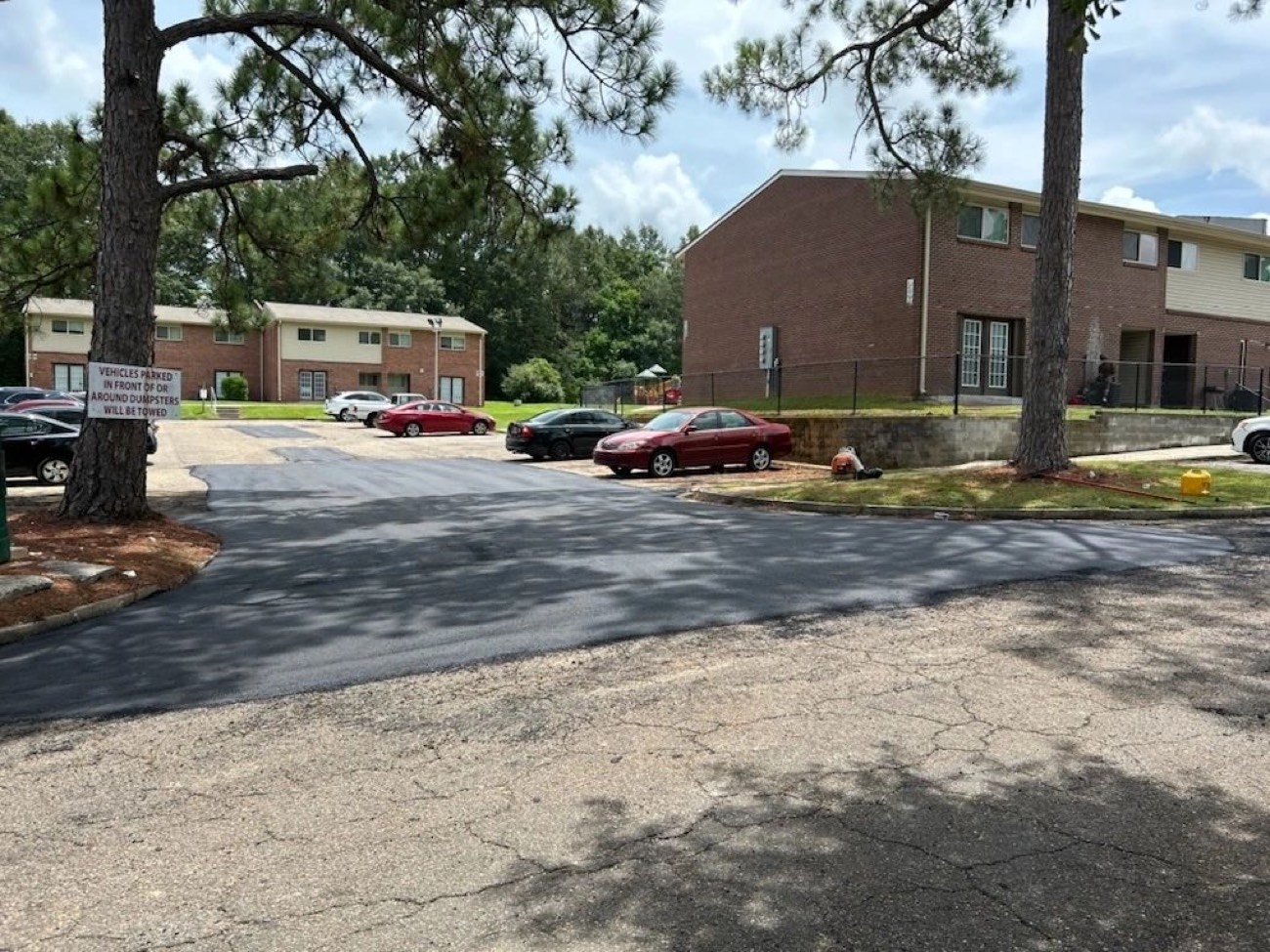
Year-round maintenance programs that keep streets safe and budgets predictable.
Learn MoreGive us a shout and somebody walks your property, measures the cracking, points out drainage issues and sends over a written estimate with real pricing and a timeline attached. No pressure, no obligation. Sealing today runs a whole lot cheaper than patching and overlaying two years from now.
Call or text Gulfline Paving at (225) 464-5378, Monday through Saturday, 8 AM to 6 PM, or request your free estimate through our contact page. Licensed, insured, built to DOTD grade standards across Baton Rouge and the Capital Region.
We use cookies to improve your experience, analyze site traffic, and for marketing. By clicking “Accept”, you consent to our use of cookies. Privacy Policy.